Hotels in Hong Kong are more than just places to sleep; they are gateways to a vibrant culture, stunning skyline, and world-class dining. With a rich history that dates back over a century, the hotel industry here has transformed into a diverse landscape featuring everything from luxurious high-rises to charming boutique stays. As a premier travel destination, Hong Kong beckons visitors with a plethora of accommodations tailored to every budget and taste.
Whether you’re looking for a lavish retreat in Central or a cozy spot in Tsim Sha Tsui, the options are vast and varied. Each neighborhood offers its unique flair, ensuring that travelers can find the perfect base to explore this dynamic city. The blend of modern amenities with traditional hospitality creates an unforgettable experience for guests, making hotels in Hong Kong a critical part of your travel plans.
Overview of Hotels in Hong Kong
The hotel industry in Hong Kong has a rich history that reflects the region’s growth as a significant global travel destination. From its early days as a trading port, the city has evolved into a bustling metropolis known for its unique blend of East and West, which is also mirrored in its wide array of accommodations. With a strategic location, world-class amenities, and a vibrant culture, Hong Kong attracts millions of tourists every year, making its hotel sector incredibly diverse and thriving.The significance of Hong Kong as a travel destination lies in its unique position as a gateway to Asia, coupled with an abundance of attractions ranging from stunning skyline views to cultural heritage sites.
The city’s hotels cater to a diverse clientele, reflecting the various expectations and preferences of the millions who visit. As a result, visitors can choose from an extensive range of lodging options, ensuring that there is something for every type of traveler.
Historical Evolution of Hotels in Hong Kong
The hotel industry in Hong Kong has undergone significant transformations since the British colonial era. The first hotel, the “Peninsula,” opened in 1928 and set a precedent for luxury accommodations in the region. Following World War II, the need for lodging surged due to increased tourism and business travel. This need led to the rapid development of mid-range hotels in the 1960s and 1970s.
Significance of Hong Kong as a Travel Destination
Hong Kong’s status as a premier travel destination is underscored by its unique attractions and events, including the famous Victoria Harbour, the annual Hong Kong Arts Festival, and the culinary scene that boasts Michelin-starred restaurants. Its rich culture, vibrant nightlife, and extensive shopping options enhance its appeal to international travelers.
Variety of Hotel Types Available
Travelers to Hong Kong are presented with a diverse array of hotel options that cater to different budgets and preferences. The variety ensures that visitors can find accommodations that meet their specific needs.
- Luxury Hotels: Renowned for their exceptional service and opulence, luxury hotels such as The Ritz-Carlton and Mandarin Oriental offer exclusive experiences to discerning travelers.
- Mid-range Hotels: Offering comfort and affordability, mid-range hotels like the Novotel and Holiday Inn provide a perfect balance for travelers seeking quality without breaking the bank.
- Boutique Hotels: Boutique hotels, such as The Jervois and Ovolo Hotels, are known for their unique designs and personalized services, appealing particularly to younger travelers looking for a more intimate stay.
- Budget Hotels: For the budget-conscious traveler, many hostels and guesthouses provide basic accommodations in excellent locations, making them ideal for exploring the city.
“Hong Kong’s hotel industry is a mirror reflecting the city’s dynamic growth and cultural fusion.”
The availability of these various hotel types not only caters to different budgets but also enhances the overall travel experience in Hong Kong, allowing visitors to immerse themselves in the local culture and hospitality.
Popular Areas for Hotels
Hong Kong is a vibrant city known for its stunning skyline, rich culture, and delectable cuisine, making it a top travel destination. Choosing the right neighborhood for accommodations is crucial to fully experiencing what this bustling metropolis has to offer. This thread will explore the best areas in Hong Kong for hotel stays, focusing on the unique advantages of different neighborhoods.
Central vs. Tsim Sha Tsui
Central and Tsim Sha Tsui are two of the most sought-after neighborhoods for hotel accommodations in Hong Kong. Each area presents its own unique advantages, catering to different preferences and travel styles.
Central is the heart of Hong Kong, pulsating with business, shopping, and nightlife.
Central is well-known for its proximity to key attractions, high-end shopping, and a lively atmosphere. Visitors can enjoy easy access to the iconic Victoria Peak, the historic Man Mo Temple, and a variety of upscale dining options. The area is also home to major financial institutions, making it an ideal location for business travelers.In contrast, Tsim Sha Tsui offers a more tourist-centric experience, boasting beautiful waterfront views along Victoria Harbour.
This area is famous for attractions such as the Avenue of Stars and the Hong Kong Cultural Centre. With numerous shopping malls and local eateries, Tsim Sha Tsui caters to a diverse range of visitors, from families to solo travelers.
Hotels Near Major Attractions
Staying close to major attractions can enhance the overall travel experience in Hong Kong. Below, find a selection of hotels located near popular sites, ensuring easy access to the city’s highlights.To maximize convenience and enjoyment during your stay, consider the following hotels:
- InterContinental Hong Kong: Located on the Tsim Sha Tsui waterfront, this luxury hotel offers stunning views of Hong Kong Island and is just a stone’s throw from the Star Ferry and Hong Kong Museum of History.
- The Ritz-Carlton Hong Kong: Nestled in Central, this hotel boasts the world’s highest bar and is within walking distance of the International Commerce Centre and Elements shopping mall.
- W Hong Kong: Situated in West Kowloon, this trendy hotel is close to the Hong Kong West Kowloon Station, providing easy access to the city’s high-speed rail services.
- Mandarin Oriental Hong Kong: A landmark in Central, this luxurious establishment is located near the Botanical Gardens and the Central Escalators, allowing guests to explore at their leisure.
- Hotel ICON: Located in Tsim Sha Tsui, Hotel ICON combines modern design with sustainable practices, situated near the Hong Kong Science Museum and Kowloon Park.
In choosing a hotel in these popular areas, travelers can enjoy proximity to cultural landmarks, shopping destinations, and culinary delights, ensuring a memorable stay in Hong Kong.
Amenities and Services Offered
Hotels in Hong Kong are renowned for their diverse range of amenities and services, designed to cater to both leisure and business travelers. With a highly competitive hospitality market, hotels continually strive to provide top-notch facilities that enhance guest experiences, ensuring that visitors enjoy comfort and luxury during their stay.Common amenities found in Hong Kong hotels typically include complimentary Wi-Fi, room service, and laundry facilities.
Many hotels also feature pools, fitness centers, and business centers to accommodate the needs of all types of guests. The following list Artikels essential amenities that guests can expect when staying at hotels across Hong Kong:
- Complimentary Wi-Fi for seamless connectivity.
- 24-hour room service for convenient dining options.
- Fully-equipped fitness centers for health-conscious travelers.
- On-site restaurants offering local and international cuisine.
- Concierge services to assist with travel arrangements and recommendations.
- Swimming pools for relaxation and leisure.
- Business centers with essential services for corporate travelers.
Trends in Hotel Services
The hospitality landscape in Hong Kong is constantly evolving, with trends shaping the services offered by hotels. Increasingly, travelers seek experiences that prioritize wellness and convenience. Modern hotels are embracing these trends, integrating amenities such as spas and gourmet dining options into their offerings. For instance, many establishments now boast luxurious spa facilities with a range of treatments, from traditional massages to advanced skincare therapies, catering to guests looking for relaxation and rejuvenation.Moreover, fitness has become a focal point, with hotels investing in state-of-the-art gym facilities and offering wellness programs that include yoga classes and personal training sessions.
Dining trends have also shifted, with a growing emphasis on farm-to-table concepts, sustainable dining, and fusion cuisines that reflect Hong Kong’s rich cultural tapestry. The following points illustrate this trend towards wellness and dining:
- Integration of wellness programs, including yoga and meditation sessions.
- In-house spas offering tailored treatments and therapies.
- Health-conscious menu options in on-site restaurants.
- Collaboration with local farms for fresh produce in restaurant offerings.
- Diverse dining experiences, from street food to fine dining.
Unique Offerings from Boutique Hotels
Boutique hotels in Hong Kong are distinguished by their unique offerings and personalized services that set them apart from larger chains. These establishments often focus on providing an intimate experience, reflecting the local culture and artistic flair. Boutique hotels may feature themed interiors, curated art displays, and bespoke amenities tailored to individual guests.Common unique offerings include personalized concierge services, which may arrange customized itineraries or exclusive experiences for guests.
Additionally, many boutique hotels emphasize local engagement, collaborating with nearby artisans and businesses to offer authentic cultural experiences. The following list highlights unique characteristics of boutique hotels in Hong Kong:
- Customizable guest experiences based on personal preferences.
- Artistic and culturally relevant decor reflecting local heritage.
- Specialized workshops or classes, such as cooking or art sessions.
- Collaboration with local restaurants for unique dining experiences.
- Intimate settings fostering a sense of community among guests.
Booking Tips and Best Practices
Finding the perfect hotel in Hong Kong can be a daunting task, especially with the multitude of options available. However, utilizing effective booking strategies can make the process smoother and more rewarding. This section delves into practical advice for securing the best deals, a handy checklist for travelers, and guidance on comparing hotels efficiently.
Strategies for Finding the Best Hotel Deals
Utilizing the right strategies can significantly impact the price and quality of your hotel experience in Hong Kong. Here are some effective methods to ensure you get the best deal:
- Book Early: Prices tend to rise as the travel date approaches, so securing your room ahead of time can save you money.
- Use Price Comparison Websites: Sites like Booking.com or Expedia allow you to compare multiple hotels and find competitive rates.
- Sign Up for Alerts: Many travel websites offer price alerts that notify you when hotel prices drop.
- Consider Off-Peak Times: Traveling during the off-season can result in lower rates and more availability.
- Utilize Loyalty Programs: Many hotel chains provide loyalty programs that reward frequent guests with discounts or free nights.
Checklist for Choosing a Hotel
When selecting a hotel in Hong Kong, having a comprehensive checklist can ensure you don’t miss any critical factors. The following points should be considered:
- Location: Proximity to public transport, attractions, and dining options impacts convenience.
- Budget: Determine your spending limits to filter out unsuitable options.
- Amenities: Evaluate the need for specific amenities like free Wi-Fi, breakfast, or a fitness center.
- Reviews: Look for recent reviews on reliable platforms to gauge the experiences of previous guests.
- Cancellation Policy: Understand the hotel’s cancellation policy in case your travel plans change.
Guide to Comparing Hotels Effectively
To make an informed decision, comparing multiple hotels is essential. Here’s how to do it effectively:
- Create a Comparison Chart: List key factors such as price, amenities, location, and ratings for each hotel side by side.
- Read Reviews: Check for detailed reviews on multiple platforms to get a rounded perspective on the hotel.
- Consider Value for Money: Evaluate what is included in the price, such as meals or access to facilities.
- Contact Hotels Directly: Sometimes, contacting a hotel directly can yield better rates or additional perks not advertised online.
- Look for Package Deals: Explore options that bundle flights and hotels for potential savings.
Reviews and Ratings
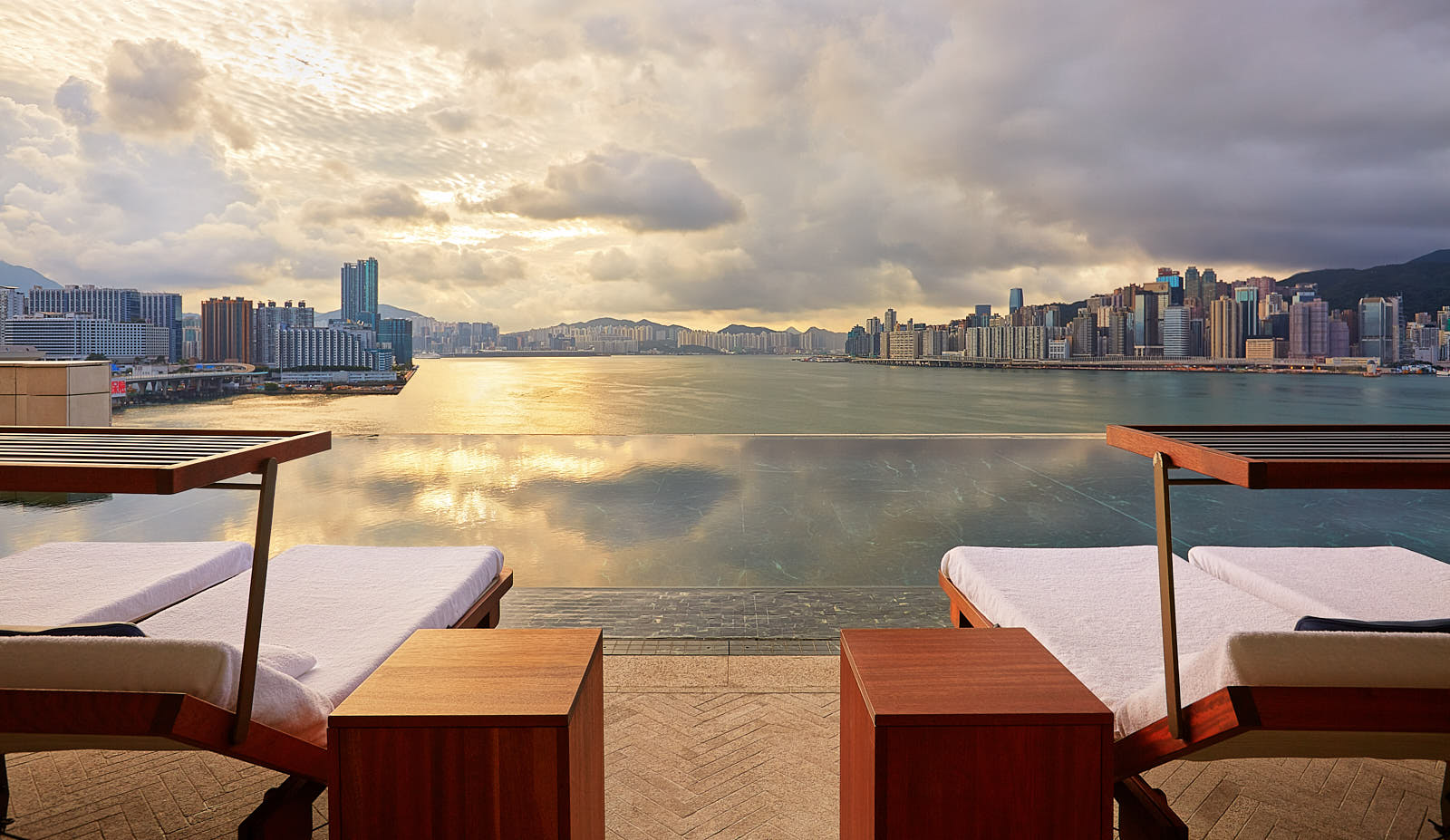
Guest reviews play a pivotal role in the hotel selection process, influencing travelers’ perceptions and decisions. With so many options available, authentic feedback helps potential guests gauge the quality of service, cleanliness, and overall experience offered by hotels in Hong Kong.Understanding how to evaluate hotel ratings is crucial for making informed choices. Ratings provide a snapshot of guest satisfaction and can highlight both strengths and weaknesses.
However, not all ratings are created equal. Therefore, it’s essential to look beyond the numbers and consider various aspects of reviews.
Importance of Guest Reviews
Guest reviews are a goldmine of information that can help travelers choose the right accommodation. They offer insights into the guest experience that may not be reflected in promotional material.
“A single review can sway a decision far more than a hotel’s glossy brochure.”
Reviews often touch on specific elements like:
- Room cleanliness and upkeep
- Staff friendliness and service quality
- Amenities available (e.g., Wi-Fi, gym facilities)
- Location advantages or disadvantages
- Noise levels and overall ambiance
Methods for Evaluating Hotel Ratings
When assessing hotel ratings, it’s important to consider more than just the overall score. A comprehensive evaluation involves analyzing multiple factors that contribute to a hotel’s reputation.Key methods to evaluate ratings include:
- Look for a mix of positive and negative reviews to get a balanced perspective.
- Check the recency of reviews; more recent feedback can provide a clearer picture of current conditions.
- Pay attention to the volume of reviews; a hotel with many reviews may provide more reliable insights than one with only a few.
- Review trends over time; consistent feedback can indicate a hotel’s reliability.
Popular Platforms for Reading Hotel Reviews
Several online platforms serve as useful resources for reading hotel reviews. Each has its unique features, making them suitable for different types of travelers.
“Utilizing multiple platforms increases the likelihood of making a well-informed choice.”
Some of the most popular platforms include:
- TripAdvisor: Known for its extensive user-generated reviews and detailed traveler photos.
- Booking.com: Offers verified guest reviews and ratings directly from those who booked and stayed.
- Expedia: Features both hotel reviews and travel advice from seasoned travelers.
- Google Reviews: Provides high visibility and a quick overview of ratings based on user experiences.
- Yelp: While primarily focused on restaurants, it also includes hotel reviews and local services.
Cultural Considerations
Understanding cultural factors is essential for a fulfilling hotel experience in Hong Kong. The city is a melting pot of traditions and modernity, with its rich history deeply influencing hospitality practices. Guests should be aware of local customs to enhance their stay and avoid unintentional faux pas, making their trip more enjoyable.Cultural influences can significantly shape hotel experiences, from the design of the hotel to the services offered.
In Hong Kong, a respect for traditions often coexists with contemporary practices, impacting everything from check-in procedures to dining etiquette. Being mindful of these cultural nuances can elevate one’s stay, making it not only comfortable but also culturally enriching.
Importance of Local Customs in Hotel Etiquette
Familiarizing oneself with local customs is crucial for maintaining respect and understanding in a culturally diverse environment. Below are some key etiquette practices that guests should observe in Hong Kong hotels:
- Greetings: A polite greeting, often a simple nod or a “hello,” is appreciated. Addressing staff with respectful titles can foster goodwill.
- Dining Etiquette: Sharing food from communal dishes is common. It is polite to wait for the host to invite you to start eating.
- Quiet Hours: Maintaining a respectful noise level, especially during the night, is expected to honor fellow guests’ comfort.
- Gifts and Tokens: If presenting a gift, avoid wrapping in white paper, as it is associated with funerals. Presenting gifts with both hands shows respect.
Culturally Themed Hotels in Hong Kong
Culturally themed hotels can provide a deeper connection to local heritage. Here are examples of such hotels that celebrate Hong Kong’s traditions:
- Hotel ICON: This hotel showcases the essence of Hong Kong through its design and art, featuring local artists and traditional elements in its decor.
- The Peninsula Hong Kong: Known for its colonial architecture, it blends historical elegance with modern luxury, offering a glimpse into the city’s colonial past.
- Ovolo Southside: This hotel incorporates local art and a vibrant atmosphere, reflecting Hong Kong’s dynamic creative scene while providing a unique stay experience.
“Understanding and respecting local customs can transform a standard hotel stay into a culturally immersive experience.”
Sustainable Practices in Hotels

In recent years, Hong Kong hotels have increasingly embraced sustainable practices, recognizing their role in promoting environmental conservation. These eco-friendly initiatives not only contribute positively to the planet but also enhance the overall guest experience, attracting a growing segment of eco-conscious travelers.Many hotels in Hong Kong are implementing various eco-friendly initiatives to reduce their carbon footprint and promote sustainability. These measures range from waste reduction programs to energy-efficient technologies, aimed at creating a greener hospitality industry.
Eco-Friendly Initiatives
The following examples illustrate the diverse sustainable practices adopted by hotels in Hong Kong:
- Water Conservation: Hotels have installed low-flow showerheads and faucets to minimize water usage, significantly reducing overall consumption.
- Energy Efficiency: Many establishments are utilizing LED lighting, energy-efficient appliances, and smart temperature control systems to lower energy consumption.
- Waste Reduction: Initiatives such as recycling programs and composting organic waste help hotels minimize landfill contributions.
- Local Sourcing: Restaurants within hotels often prioritize locally sourced ingredients, reducing carbon footprints associated with transportation while supporting local farmers.
- Green Certifications: Several hotels have pursued certifications from organizations like EarthCheck or Green Key, demonstrating their commitment to sustainability.
Leading Hotels in Sustainability
A few hotels in Hong Kong stand out for their exceptional sustainability efforts:
- The Upper House: This luxury hotel incorporates sustainable design principles and practices, including energy-efficient systems and a rooftop garden that provides fresh herbs for its restaurant.
- Hotel ICON: Known for its commitment to sustainability, Hotel ICON features a rooftop hydroponic farm and actively participates in community sustainability initiatives.
- InterContinental Hong Kong: With a strong focus on environmental management, this hotel uses sustainable seafood and engages in various waste management programs.
Impact on Guest Experience
The implementation of sustainable practices positively influences guest experiences in several ways. Eco-friendly hotels often attract environmentally aware travelers who appreciate the commitment to sustainability.
The integration of sustainable initiatives can enhance the guest experience by aligning their values with the hotel’s operations, leading to increased satisfaction and loyalty.
Moreover, many guests report feeling more connected to the local community when staying at hotels that support local sourcing and eco-friendly practices, which enriches their travel experience. Visitors often leave with a sense of fulfillment, knowing they have chosen accommodations that care for the environment and contribute to sustainable tourism.
Notable Hotels in Hong Kong
Hong Kong is renowned for its vibrant skyline, rich history, and diverse culture, and its hotels reflect that uniqueness. From luxurious accommodations with breathtaking views to historic landmarks that have stood the test of time, the city boasts notable hotels that cater to various tastes and preferences. This section delves into some of the most iconic hotels in Hong Kong, highlighting their distinct features, histories, and accolades.
Table of Iconic Hotels
The following table Artikels some of the most notable hotels in Hong Kong, along with descriptions that capture their essence:
| Hotel Name | Description |
|---|---|
| The Peninsula Hong Kong | Known as the “Grand Old Lady,” this hotel has been offering luxury since 1928, featuring a classic blend of East and West with elegant interiors and a fleet of Rolls-Royce cars. |
| Mandarin Oriental, Hong Kong | A symbol of luxury, this hotel is famous for its Michelin-starred restaurants, outstanding spa services, and a central location that provides stunning views of Victoria Harbour. |
| Four Seasons Hotel Hong Kong | This hotel offers unmatched luxury with spacious rooms, award-winning dining options, and an infinity pool overlooking the harbor, making it a favorite among high-profile guests. |
| InterContinental Hong Kong | Renowned for its panoramic views of the skyline, this hotel combines luxury with a cultural experience, featuring a collection of art and authentic Cantonese cuisine. |
| Ritz-Carlton, Hong Kong | As one of the highest hotels in the world, it offers breathtaking views from the 102nd floor, exceptional service, and an impressive collection of fine wines. |
Unique Features and History of Selected Hotels, Hotels in Hong Kong
Each of these notable hotels offers unique features that not only reflect their luxury but also their rich histories.
“The Peninsula Hong Kong, often called the ‘Grand Old Lady,’ opened its doors in 1928 and has since been a prestigious landmark.”
The Peninsula is famous for its colonial architecture and luxurious services, including the iconic afternoon tea. It has been recognized multiple times as one of the best hotels in the world by Travel + Leisure and Condé Nast Traveler.The Mandarin Oriental has a legacy dating back to 1963, known for its elegant rooms that exude sophisticated charm and the exceptional service that has garnered awards like the Forbes Five-Star award.
“Ritz-Carlton, Hong Kong is celebrated not just for its height but for its luxury and culinary excellence, earning it multiple accolades including the World’s Best Hotel award from Travel + Leisure.”
Each hotel not only provides lavish accommodations but also tells a story of Hong Kong’s evolution over the years, making stays here memorable and culturally enriching.
Awards and Recognitions Received by Top Hotels
The prestige of these hotels is further underscored by the numerous awards and recognitions they have received. This highlights their commitment to excellence in hospitality.
- The Peninsula Hong Kong has consistently ranked in the ‘Top 10 Hotels in the World’ by various travel publications and has received the prestigious Forbes Five-Star rating.
- Mandarin Oriental, Hong Kong has been awarded the ‘Best Hotel in Asia’ by Travel + Leisure and has received multiple Michelin stars for its acclaimed restaurants.
- Four Seasons Hotel Hong Kong is recognized as a leader in luxury accommodations and has been awarded the ‘World’s Best Business Hotel’ by Travel + Leisure.
- InterContinental Hong Kong has received the ‘Best Luxury Hotel’ award from various organizations for its superb hospitality and culinary offerings.
- Ritz-Carlton, Hong Kong has been frequently listed as one of the ‘Top Hotels in the World’ by readers of Condé Nast Traveler and is known for its exemplary service and accommodations.
These recognitions not only emphasize the quality of service and accommodations but also affirm Hong Kong’s reputation as a prime destination for travelers seeking luxury and memorable experiences.
Cost Considerations
Understanding the cost of accommodations is crucial for any traveler. Hong Kong, known for its vibrant culture and stunning skyline, also presents a diverse range of hotel pricing depending on location, amenities, and seasonality. This overview will guide you through average hotel prices, factors influencing costs, and tips for budget-conscious travelers seeking affordable stays in this bustling metropolis.
Average Hotel Prices by Area
The price of hotels in Hong Kong varies significantly from one area to another. Below is a breakdown of average nightly rates based on location:
| Area | Average Nightly Rate (USD) |
|---|---|
| Central | $250 – $500 |
| Kowloon | $150 – $300 |
| Hong Kong Island | $200 – $400 |
| New Territories | $100 – $200 |
The above table illustrates the significant variance in hotel costs based on location, highlighting the premium for staying in Central, which is the business hub, compared to more suburban areas like the New Territories.
Factors Influencing Hotel Pricing
Several factors affect hotel pricing in Hong Kong, making it essential for travelers to be aware of these elements when planning their stay. Key factors include:
- Seasonality: Prices can spike during peak tourist seasons, such as the Lunar New Year and major holidays.
- Location: Proximity to major attractions, public transport, and business districts can increase hotel costs.
- Amenities: Hotels offering luxury services, such as spas, fine dining, and exclusive views, often command higher prices.
- Booking Timing: Early bookings or last-minute deals can significantly influence the price you pay.
Understanding these influences allows travelers to strategize better when searching for the best rates.
Tips for Budget Travelers
For those traveling on a budget, finding affordable accommodations in Hong Kong is possible with some strategic planning. Here are several tips to help save on hotel costs:
- Consider staying in Kowloon or the New Territories, where rates are more affordable than in Central.
- Utilize hotel booking platforms that offer price comparisons and special discounts.
- Travel during the off-peak season to secure lower rates and better availability.
- Look for hostels or guesthouses, which provide basic amenities at a fraction of the cost.
- Sign up for newsletters from hotel chains for exclusive deals and early access to promotions.
Embracing these strategies can lead to significant savings, allowing you to enjoy more of what Hong Kong has to offer without breaking the bank.
Future Trends in the Hotel Industry: Hotels In Hong Kong
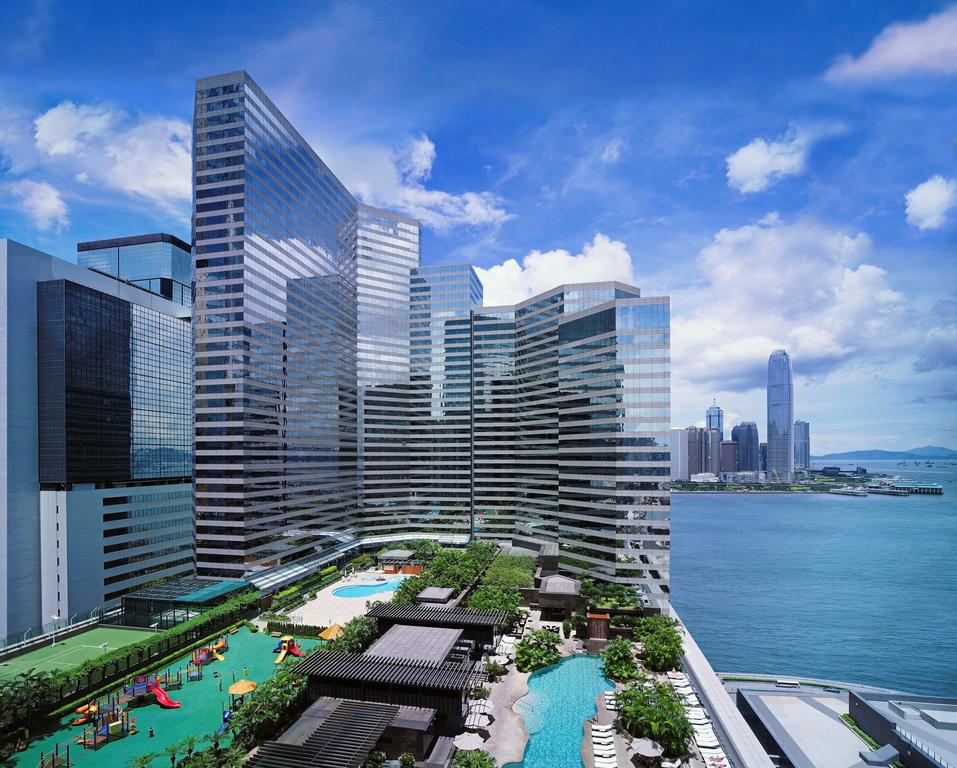
The hotel industry in Hong Kong is poised for significant transformation as it adapts to evolving traveler demands and advancements in technology. Emerging trends are reshaping how hotels operate and interact with guests, leading to enhanced experiences and sustainable practices.
Technological Innovations Transforming Guest Experiences
The integration of technology in hotels is not just a trend but a necessity. Smart hotel rooms equipped with IoT devices allow guests to control lighting, temperature, and entertainment systems through their smartphones. This not only enhances comfort but also offers personalization tailored to each guest’s preferences. Additionally, contactless technology is becoming increasingly prevalent. Guests can check in and access their rooms via mobile apps, minimizing physical interactions—a trend that gained momentum during the pandemic.
Emerging Sustainability Practices
Sustainability is a key focus for future hotel developments in Hong Kong. Hotels are increasingly adopting green practices to attract environmentally conscious travelers. This includes implementing energy-efficient systems, reducing single-use plastics, and sourcing local organic produce for their kitchens. Hotels such as The Ritz-Carlton have pioneered initiatives like water conservation systems and waste recycling programs, setting a benchmark for sustainability in the hospitality industry.
Shift Towards Home-Like Accommodations
There is a growing preference for home-like accommodations, as travelers seek more space and convenience. Hotels are responding by offering apartment-style rooms and serviced residences that cater to families and long-term visitors. This trend reflects a broader shift in consumer preferences towards flexibility and comfort in their travel arrangements.
Enhanced Health and Safety Protocols
Health and safety have taken center stage in the hotel industry, with enhanced cleanliness protocols becoming a standard expectation. Hotels are leveraging advanced cleaning technologies, such as UV light sanitation, to ensure guest safety. The ongoing emphasis on health will likely continue, influencing design decisions and operational protocols in the future.
Rise of Personalization through Data Analytics
Data analytics is allowing hotels to offer highly personalized services. By analyzing guest data, hotels can anticipate needs, suggest tailored experiences, and create loyalty programs that resonate with individual preferences. For example, The Mandarin Oriental employs data to customize guest experiences, such as remembering special occasions and personal preferences, creating a memorable stay for each visitor.
Adaptation to Remote Work Trends
With the rise of remote work, hotels are adapting their offerings to cater to business travelers seeking a work-life balance. This includes providing office-like amenities in guest rooms and creating co-working spaces within hotel premises. The concept of “workcations,” where guests blend vacation with work, is becoming popular. Hotels are designing packages that cater specifically to these dual-purpose travelers, offering flexible check-in and check-out times alongside leisure amenities.
Focus on Local Experiences
Travelers increasingly desire authentic, local experiences during their stays. Hotels are partnering with local businesses to offer curated tours, cooking classes, and cultural activities that showcase the uniqueness of Hong Kong. This trend not only enriches the guest experience but also supports the local economy and promotes cultural exchange.
Future Predictions for Hotel Accommodations
The future of hotel accommodations in Hong Kong is expected to be shaped by a blend of technology, sustainability, and personalization. With the continued integration of automation and AI, hotels will be able to provide services that anticipate guest needs before they even arrive. Moreover, as consumer awareness around sustainability grows, hotels that prioritize eco-friendly practices will likely gain a competitive edge.
Predictions indicate that by 2030, a significant number of new hotels will be built with sustainable designs and technologies at their core. In conclusion, the hotel industry in Hong Kong is evolving rapidly, influenced by technological advancements and changing consumer preferences. Staying ahead of these trends will be essential for hotels aiming to thrive in this dynamic landscape.
Questions Often Asked
What is the average cost of hotels in Hong Kong?
The average cost varies by area and hotel type, ranging from $50 for budget options to over $500 for luxury stays.
Are there any unique themed hotels in Hong Kong?
Yes, there are several themed hotels, including those inspired by local culture, art, and history, offering a unique experience.
How can I find the best hotel deals in Hong Kong?
Use comparison websites, book in advance, and consider traveling during the off-peak season for the best prices.
Is it common for hotels in Hong Kong to offer free Wi-Fi?
Yes, most hotels provide complimentary Wi-Fi, but it’s always good to check the specific hotel policies.
What amenities should I expect in a Hong Kong hotel?
Common amenities include air conditioning, room service, gyms, pools, and dining options, with boutique hotels often offering unique perks.
