Ryokan in Kyoto offers a gateway to Japan’s rich heritage, immersing visitors in a world where tradition meets tranquility. Picture stepping into an elegant space adorned with tatami mats, sliding shoji doors, and the gentle scent of tatami, all while experiencing unmatched hospitality. Staying at a ryokan is not merely about lodging; it’s about embracing the essence of Japanese culture through its unique architecture, seasonal delights, and culinary treasures.
As you wander through Kyoto’s historic streets, the ryokan experience awaits—where every detail has been curated to envelop you in the serene spirit of this ancient city, making it a truly unforgettable sojourn.
Introduction to Ryokan
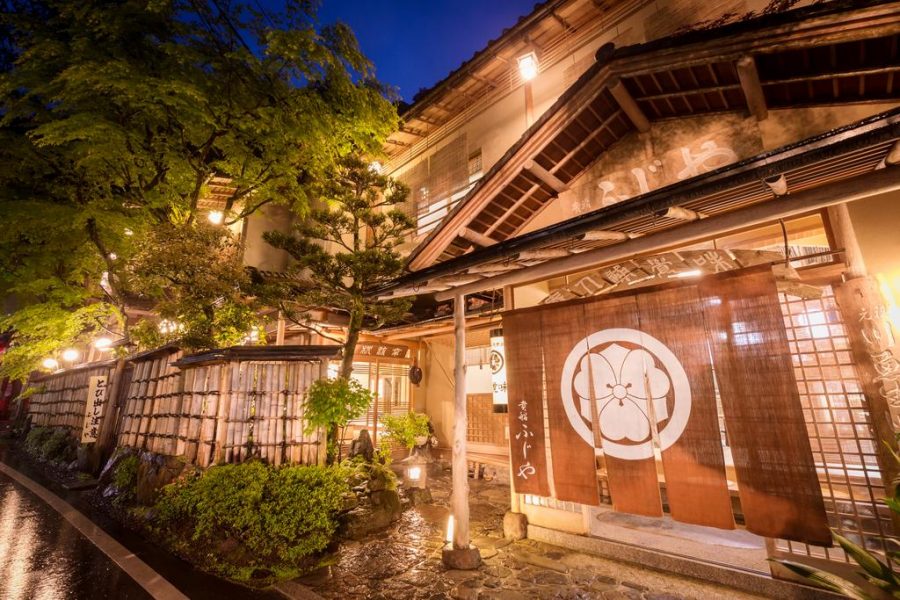
Ryokan are traditional Japanese inns that have been a part of Japan’s hospitality culture for centuries. Originating during the Edo period, these establishments provided travelers on long journeys with a place to rest and enjoy traditional Japanese cuisine, culture, and aesthetics. Staying at a ryokan offers a unique glimpse into Japan’s rich heritage and often serves as a bridge between the past and the present.Key features of a ryokan include tatami-matted rooms, futon bedding, sliding shoji doors, and communal hot spring baths known as onsen.
Guests can expect a warm welcome from staff dressed in traditional yukata, who provide personalized service. Meals are often served as kaiseki, a multi-course dinner emphasizing seasonal ingredients and delicate presentation, enhancing the overall experience of staying in a ryokan.
Key Features and Amenities
Staying at a ryokan is not just about having a place to sleep; it’s about immersing oneself in the entirety of the experience. The following key features and amenities are essential to the ryokan experience:
- Tatami Flooring: Rooms are furnished with tatami mats made from rice straw, providing a distinctive and comfortable atmosphere.
- Futon Bedding: Sleeping arrangements consist of comfortable futons laid out on the tatami floor, offering a unique sleeping experience.
- Onsen Facilities: Many ryokan feature natural hot spring baths where guests can enjoy the therapeutic benefits of mineral-rich waters.
- Kaiseki Cuisine: Guests are treated to meticulously prepared kaiseki meals, showcasing local and seasonal flavors through several courses.
- Personalized Service: Attentive staff members offer exceptional service, often going above and beyond to cater to individual guest needs.
The atmosphere within a ryokan is tranquil and serene, often enhanced by beautiful gardens, traditional architecture, and attention to detail in every aspect of the guest experience. This contrasts sharply with modern hotels, where the focus may be more on convenience and amenities rather than cultural immersion and traditional hospitality.
“A ryokan is more than just a place to stay; it’s an opportunity to engage with Japanese culture and tradition.”
Additionally, ryokan often include communal spaces for relaxation, such as tatami lounges and outdoor gardens. The quiet ambiance is ideal for reflection, and many ryokan are located in picturesque areas that offer stunning views of nature, significantly enriching the overall experience of a stay. Guests often find themselves captivated by the blend of hospitality, nature, and tradition, ensuring a memorable visit.
Unique Aspects of Ryokan in Kyoto
Ryokan serve as a window into Japan’s rich cultural heritage, offering a unique blend of tradition and hospitality that is especially pronounced in Kyoto. This ancient capital is where history and modernity coexist, and ryokan reflect this dichotomy through their architecture, ambiance, and seasonal offerings. The cultural elements found in these inns contribute significantly to the overall experience, making each stay a memorable one.
Traditional Architecture of Kyoto Ryokan
The architecture of ryokan in Kyoto is deeply rooted in traditional Japanese aesthetics, showcasing the beauty of simplicity and natural materials. Many ryokan feature tatami mat flooring, sliding shoji doors, and wooden beams that evoke a sense of tranquility.
“Every detail in a Kyoto ryokan is designed to create a harmonious environment that fosters relaxation and reflection.”
These traditional elements serve not only practical purposes but also enhance the aesthetic appeal of the space. Visitors can often find:
- Engawa: A wooden terrace that connects the indoor and outdoor spaces, providing a serene view of gardens.
- Fusuma: Sliding doors adorned with beautiful artwork that can transform the room’s atmosphere.
- Tsukiyama: Miniature hills within gardens that represent the natural landscapes of Japan.
Seasonal Changes in Ryokan Ambiance and Offerings
Kyoto ryokan adapt their ambiance and offerings to reflect the changing seasons, creating a dynamic experience for guests. The seasonal aesthetic is evident in the decor, cuisine, and even the scents that fill the air, enhancing the connection between guests and nature.Spring brings cherry blossoms, and many ryokan offer hanami (flower viewing) experiences. Summer showcases vibrant garden blooms, while autumn is marked by the stunning crimson and gold leaves.
Winter transforms the landscape into a serene white canvas, often complemented by warm kaiseki meals featuring seasonal ingredients.
“The essence of each season is captured not just in the scenery but also in the culinary delights served to guests.”
Culinary offerings change with the seasons, showcasing local produce and traditional dishes that honor the time of year. For example:
- Spring: Sakura mochi and seasonal fish.
- Summer: Refreshing cold noodles and fresh vegetables.
- Autumn: Matsutake mushrooms and chestnut rice.
- Winter: Nabe (hot pot) with hearty ingredients.
Comparison of Kyoto Ryokan to Other Japanese Cities
The ryokan experience in Kyoto is distinct when compared to other Japanese cities, shaped by the city’s historical significance and cultural depth. While ryokan can be found throughout Japan, Kyoto’s offerings often emphasize traditional craftsmanship and a deep connection to its historical context.In Kyoto, guests can expect:
- Historical Significance: Many ryokan are located near temples and shrines, allowing for easy cultural exploration.
- Artisan Influence: Local craftsmen often contribute to the decor and furnishings, resulting in unique atmospheres.
- Emphasis on Kaiseki: The ryokan dining experience is often a finely curated kaiseki meal, highlighting Kyoto’s culinary heritage.
In contrast, ryokan in cities like Tokyo or Osaka may focus more on modern amenities and urban experiences, lacking the same level of traditional immersion. Each city offers its unique perspective on the ryokan experience, but Kyoto remains unparalleled in its commitment to preserving and showcasing its rich cultural heritage through these treasured inns.
Popular Ryokan Options in Kyoto
Exploring traditional ryokan in Kyoto offers an immersive experience of Japanese culture and hospitality. Each ryokan presents a unique charm, reflecting the history and aesthetic of the region. Here, we highlight some of the most notable options for travelers seeking a memorable stay.The following list includes popular ryokan in Kyoto, each distinguished by its location, ambiance, and unique offerings.
Notable Ryokan in Kyoto
Renowned ryokan in Kyoto provide an authentic experience with exquisite dining, tranquil settings, and traditional architecture. Here are some top choices:
- Gion Hatanaka: Nestled in the historic Gion district, this ryokan offers a traditional kaiseki dining experience. Guests can enjoy the view of cherry blossoms in spring and experience cultural performances nearby.
- Arashiyama Benkei: Located in the scenic Arashiyama area, this ryokan features stunning views of the river and mountains. Known for its luxurious outdoor baths, it provides a serene escape from the city.
- Yoshida Sanso: Perched on the slopes of Yoshida Hill, this ryokan boasts a rich history and beautiful gardens. Its intimate setting is perfect for those seeking tranquility and gourmet cuisine prepared from local ingredients.
- Ryokan Sanga: Situated near the famous Kiyomizu Temple, this ryokan provides modern amenities while maintaining traditional Japanese design. It is well-known for its warm hospitality and comfortable atmosphere.
- Shiraume: Located in the historic Higashiyama district, Shiraume showcases classic machiya architecture. Guests can relish seasonal kaiseki meals and enjoy the private garden.
In addition to the descriptions, it’s essential to compare these options based on various factors like price range, facilities, and guest reviews to make an informed decision.
Comparison of Ryokan Options
The following table summarizes the key features of the mentioned ryokan, helping you compare them at a glance.
| Ryokan | Price Range (per night) | Facilities | Guest Reviews |
|---|---|---|---|
| Gion Hatanaka | ¥20,000 – ¥40,000 | Onsen, Kaiseki dining, Cultural performances | ★★★★☆ |
| Arashiyama Benkei | ¥25,000 – ¥45,000 | Outdoor baths, Scenic views, Spa services | ★★★★★ |
| Yoshida Sanso | ¥30,000 – ¥50,000 | Garden, Traditional meals, Historic ambiance | ★★★★☆ |
| Ryokan Sanga | ¥15,000 – ¥35,000 | Modern amenities, Close to Kiyomizu Temple | ★★★★½ |
| Shiraume | ¥18,000 – ¥38,000 | Private garden, Seasonal cuisine | ★★★★☆ |
Choosing the right ryokan involves considering personal preferences for budget, desired location, and specific amenities. Here are some insights to guide you in making an informed choice:
Choosing the Right Ryokan
When selecting a ryokan, it’s crucial to reflect on your preferences and requirements.
- Consider your budget: Identify your price range and look for ryokan that fit within it while providing the experiences you seek.
- Location matters: Choose a ryokan close to attractions you plan to visit to save time and enjoy more local experiences.
- Amenities: Different ryokan offer various facilities like outdoor baths, meal options, and activities. Assess what is most important to you.
- Guest reviews: Check online reviews to gauge past guests’ experiences, which can provide insights into the quality of service and ambiance.
“A well-chosen ryokan not only enhances your stay but also immerses you in the rich tapestry of Kyoto’s tradition and hospitality.”
Culinary Experiences in Ryokan
The culinary offerings at a ryokan are a highlight of the traditional Japanese experience, especially in Kyoto, where the art of food is celebrated with rich flavors and meticulous preparation. Guests are treated to kaiseki meals, which are multi-course feasts designed to showcase seasonal ingredients and culinary skill.Kaiseki cuisine is the epitome of Japanese culinary art, where each dish is a harmonious blend of flavors, colors, and textures.
This meal is not merely about sustenance; it’s a visual and sensory experience that reflects the seasons and local culture. Here’s a closer look at what makes the culinary offerings in Kyoto ryokan so unique.
Local Ingredients in Kyoto Ryokan Dishes
Kyoto’s rich agricultural heritage contributes significantly to the exceptional quality of ingredients used in ryokan cuisine. The emphasis is on freshness and seasonality, which means that the menu may change frequently, reflecting what is currently harvested. Key ingredients often featured in these dishes include:
- Seasonal Vegetables: Kyoto is famous for its variety of fresh vegetables, including yuba (tofu skin), pickled vegetables, and various greens such as shiso and myoga.
- Fish and Seafood: River fish like ayu (sweetfish) and fresh seafood from nearby coasts are delicacies commonly served.
- Rice: Locally grown rice, especially the glutinous varieties, forms the staple of many meals.
- Tofu: Crafted from local soybeans, tofu is often featured prominently and served in various styles.
- Herbs and Spices: The use of delicate herbs and natural seasonings enhances the flavor profile of the dishes, promoting the essence of umami.
The importance of local ingredients not only reflects Kyoto’s rich biodiversity but also showcases the region’s culinary traditions, allowing guests to experience the authenticity of Japanese cuisine.
Food Presentation and Dining Etiquette
In ryokan dining, presentation is just as important as taste. Each dish is carefully arranged, with attention to aesthetics that reflect the changing seasons. The use of natural elements, such as leaves and flowers, enhances the visual appeal, making each meal a feast for the eyes.Dining etiquette in a ryokan setting is rooted in respect and mindfulness. Here are key points to consider:
- Seating Arrangement: Traditional seating may involve tatami mats, where guests sit on cushions (zabuton) and are served from a low table.
- Chopstick Use: Proper use of chopsticks is essential; for instance, sticking chopsticks vertically into rice is a taboo as it resembles funeral rites.
- Expressing Gratitude: It is customary to say “itadakimasu” before starting the meal and “gochisousama deshita” after finishing, which express gratitude for the meal.
- Serving Order: Dishes are typically served in a specific order, starting with lighter flavors and culminating in richer tastes. Guests are encouraged to savor each course mindfully.
Embracing these practices enhances the overall dining experience, turning a meal into a meaningful ritual that reflects Japanese culture and hospitality.
Cultural Activities and Services

Ryokan in Kyoto not only provide a serene retreat but also immerse guests in the rich tapestry of Japanese culture. Offering a variety of cultural experiences, these traditional inns serve as gateways to understanding the customs and artistry of Japan. Engaging in activities like tea ceremonies and calligraphy, alongside rejuvenating onsen experiences, allows visitors to embrace the essence of Japanese heritage.
Cultural Experiences Offered
Participating in traditional cultural activities during your stay at a ryokan enriches your visit. These experiences often reflect the history and artistry of Japan. Here are some notable activities commonly offered:
- Tea Ceremony: This ritualistic practice, known as “chanoyu,” emphasizes harmony, respect, purity, and tranquility, showcasing the art of preparing and serving matcha tea.
- Calligraphy: The art of “shodo” involves writing beautiful characters with brush and ink, allowing you to express your creativity while learning the significance of each character.
- Kimono Wearing: Many ryokan offer the chance to dress in traditional kimonos, providing a unique opportunity to experience Japanese attire and capture stunning photographs.
- Ikebana: The art of flower arrangement, or “ikebana,” is often available as a workshop, where guests can learn about balance, harmony, and aesthetics in floral design.
- Cultural Performances: Some ryokan host traditional performances like “kagura” (Shinto music and dance), enriching the cultural immersion.
Types of Onsen in Kyoto Ryokan, Ryokan in Kyoto
Onsen, or hot springs, are an integral part of the ryokan experience. Kyoto ryokan feature various types of onsen, each offering distinct therapeutic benefits. Understanding these can enhance your relaxation experience:
- Indoor Onsen: These baths are located within the ryokan, often featuring beautiful views of the surroundings and designed for privacy.
- Outdoor Onsen (Rotenburo): Enjoying a soak in a natural setting, these baths allow guests to connect with nature while indulging in the mineral-rich waters.
- Private Onsen: Ideal for couples or those seeking solitude, private onsen can be reserved, ensuring an intimate experience.
- Foot Baths (Ashiyu): Simple yet soothing, these are shallow pools where only your feet are immersed, offering relaxation without the need for full immersion.
Engaging in Cultural Activities
To fully immerse yourself in cultural activities during your stay at a ryokan, consider the following tips:
- Be Open-Minded: Embrace new experiences with enthusiasm; this openness will enhance your enjoyment of the activities.
- Ask Questions: Don’t hesitate to inquire about the significance of the activities or customs; most hosts will be delighted to share their knowledge.
- Participate Actively: Engage fully in the activities, whether it’s the delicate movements of a tea ceremony or the precise strokes of calligraphy.
- Practice Patience: Many cultural experiences require patience and practice; allow yourself the time to learn and enjoy the process.
- Respect Tradition: Understand and honor the cultural significance behind each activity, enhancing the authenticity of your experience.
The Future of Ryokan in Kyoto
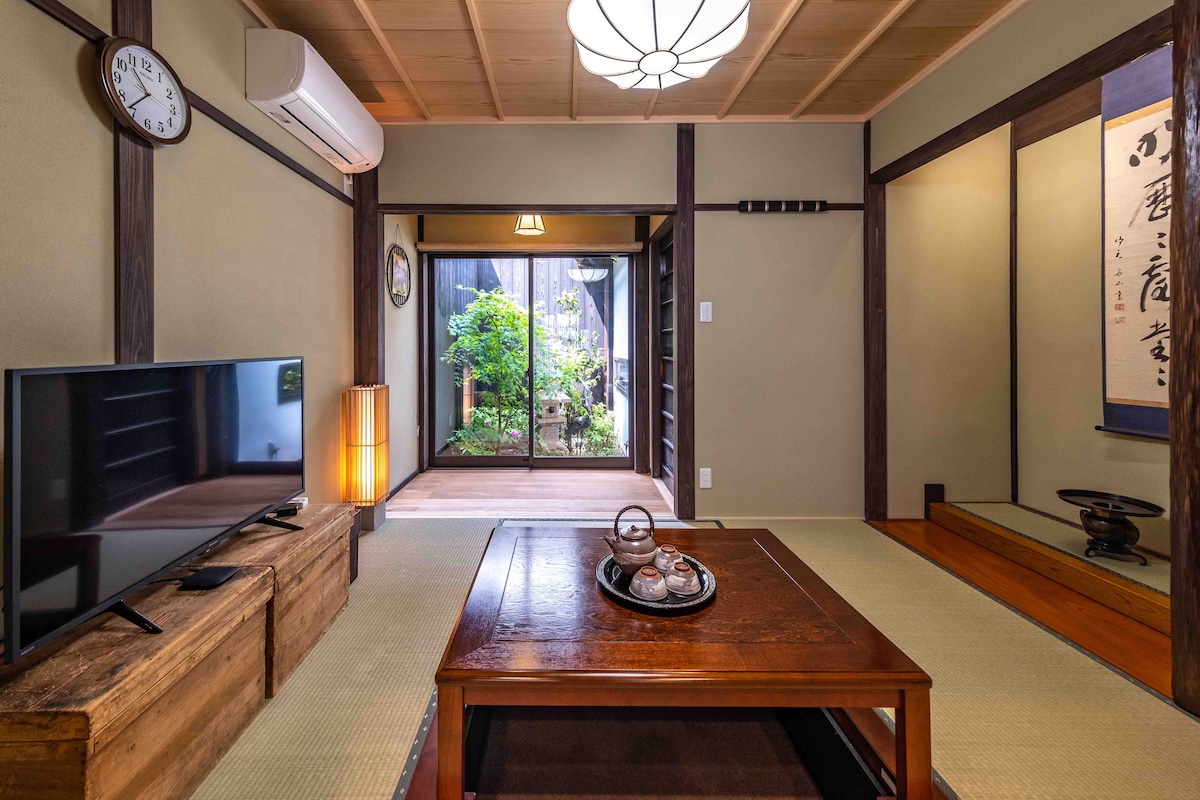
The ryokan experience in Kyoto is undergoing a transformative journey as it navigates the delicate balance between tradition and modernity. With a surge in global tourism, ryokan are adapting to meet the evolving needs of travelers while preserving their unique cultural heritage. This evolution is influenced by various trends and challenges that shape both the operational and experiential aspects of these cherished inns.
Current Trends Influencing Ryokan Evolution
As the demands of modern travelers evolve, ryokan in Kyoto are incorporating several trends to enhance guest experiences while maintaining their traditional roots. These trends include:
- Emphasis on Sustainability: Many ryokan are adopting eco-friendly practices, such as sourcing local ingredients and minimizing waste, to appeal to environmentally conscious travelers.
- Integration of Technology: To facilitate seamless experiences, ryokan are introducing smart amenities, online booking systems, and app-based services while ensuring these technologies do not detract from the traditional ambiance.
- Wellness and Relaxation Focus: With the rise of wellness tourism, ryokan are offering specialized packages that include yoga, meditation, and traditional healing practices, aligning with the holistic approach of Japanese culture.
Adapting to Modern Travelers’ Needs
In response to the needs of contemporary guests, ryokan are adapting their offerings without compromising their authenticity. Key adaptations include:
- Flexible Accommodation Options: Ryokan are diversifying room types to include options for families and groups, thus broadening their appeal.
- Enhanced Culinary Experiences: Many ryokan are partnering with local chefs to create innovative dining experiences that blend traditional kaiseki with modern culinary trends.
- Cultural Workshops: To enrich the guest experience, ryokan are increasingly providing workshops in traditional arts, such as calligraphy and tea ceremony, allowing guests to engage hands-on with Japanese culture.
Challenges in Maintaining Authenticity
The growing influx of tourism presents challenges for ryokan in preserving their authentic charm. Some of these challenges include:
- Overtourism: With rising visitor numbers, there’s a risk of the traditional atmosphere being diluted, leading to a less genuine experience for guests.
- Competition with Western-style Accommodations: As international hotel chains penetrate the market, ryokan face pressure to conform to more commercial standards, risking the loss of unique cultural elements.
- Balancing Modernization and Tradition: Striking the right balance between incorporating modern amenities and maintaining traditional practices is a delicate challenge that many ryokan are navigating.
Clarifying Questions
What is a ryokan?
A ryokan is a traditional Japanese inn that offers a unique cultural experience, typically featuring tatami flooring, futon bedding, and on-site dining.
How do I choose the right ryokan in Kyoto?
Consider factors such as location, amenities, price range, and guest reviews to find a ryokan that suits your preferences.
What should I wear at a ryokan?
Casual and comfortable clothing is recommended, and you’ll often find yukatas provided for you to wear during your stay.
Are meals included in the ryokan experience?
Many ryokans offer meal packages, with kaiseki dinners being a signature offering, showcasing seasonal and regional ingredients.
Can I book a ryokan online?
Yes, most ryokans have websites or are listed on travel booking platforms where you can check availability and make reservations.
