Ski resorts in Whistler are not just a destination; they are an experience that combines breathtaking landscapes with exhilarating adventures. Nestled in the stunning Coast Mountains of British Columbia, Whistler has earned its reputation as one of the premier ski destinations in the world. From pristine powder and diverse trails to a vibrant village atmosphere, this alpine hotspot beckons winter enthusiasts from all corners of the globe.
With a rich history rooted in skiing culture, Whistler has grown from a humble mountain town into a bustling resort hub, offering something for everyone—whether you’re seeking luxury or family-friendly options. Get ready to explore the captivating world of Whistler’s ski resorts, where every turn leads to new excitement.
Overview of Ski Resorts in Whistler
Whistler, a world-renowned ski destination, comprises two primary mountains: Whistler Mountain and Blackcomb Mountain. These peaks offer an expansive 8,171 acres of diverse terrain, making it one of the largest ski resorts in North America. Visitors flock to Whistler not only for its thrilling slopes but also for its vibrant village life, breathtaking alpine scenery, and a plethora of winter activities.
The combination of challenging runs, family-friendly options, and stunning views creates an unmatched experience for skiers and snowboarders alike. The geographical features of Whistler play a pivotal role in its skiing conditions. Nestled in the Coast Mountains of British Columbia, the region boasts a unique microclimate, resulting in abundant snowfall that typically begins as early as November and continues through late spring.
The resort’s elevation ranges from 670 meters at the base to over 2,440 meters at the peak, offering a variety of snow conditions and terrains for all skill levels. The diverse landscapes, including glades, bowls, and groomed trails, cater to both beginners and advanced skiers, ensuring an unforgettable experience on the slopes.
Historical Development of Ski Resorts in Whistler
The journey of Whistler as a ski resort began in the late 1960s when the area was primarily a small logging community. The vision of local entrepreneurs transformed the landscape into a ski haven. In 1966, the first ski lift opened on Whistler Mountain, marking the beginning of its evolution into a major ski destination. The development of the gondola system in the late 1980s further propelled Whistler’s reputation, connecting both Whistler and Blackcomb mountains and allowing for seamless access to over 200 marked runs.A significant milestone came in 2010 when Whistler hosted the Winter Olympics, showcasing its skiing capabilities to a global audience.
This event spurred further investments in infrastructure, enhancing the resort’s amenities and expanding its popularity. The area continues to evolve, with continuous upgrades to lifts and facilities, solidifying Whistler’s status as a premier ski destination where winter sports enthusiasts gather from around the world.
“Whistler is not just about skiing; it’s a vibrant community that celebrates winter sports culture.”
Types of Ski Resorts in Whistler
Whistler boasts a diverse range of ski resorts, each catering to different preferences and budgets. From luxurious retreats to family-friendly lodges and budget-friendly options, there’s something for everyone. Understanding the types of resorts available can greatly enhance your ski trip experience and help you choose the perfect base for your adventures.Ski resorts in Whistler can be categorized into three main types: luxury resorts, family-friendly resorts, and budget resorts.
Each category has its own unique features, amenities, and target audience, making it essential to know what each offers before making a decision.
Luxury Resorts
Luxury ski resorts in Whistler provide unparalleled experiences, combining exquisite accommodations with high-end amenities. These resorts cater to guests looking for an elevated vacation experience, ensuring comfort, style, and convenience throughout their stay.
- High-End Accommodations: Spacious suites, fine dining restaurants, and world-class spa services are common features, ensuring guests enjoy a luxurious atmosphere.
- Exclusive Access: Many luxury resorts offer ski-in/ski-out access, allowing guests to hit the slopes right from their doorstep.
- Personalized Services: Concierge services, private instructors, and tailored ski experiences are available to enhance each guest’s stay.
- Amenities: Pools, hot tubs, fitness centers, and luxury lounges are standard, providing relaxation after a day on the slopes.
Family-Friendly Resorts
Family-friendly resorts in Whistler focus on creating an enjoyable experience for guests of all ages. These resorts offer facilities and activities tailored for families, ensuring everyone can have fun together.
- Kid-Friendly Activities: Many family resorts provide ski schools for children, childcare services, and play areas designed to keep younger guests entertained.
- Family Accommodations: Spacious rooms or suites with kitchen facilities allow families to comfortably stay together while enjoying the convenience of home cooking.
- Dining Options: Family-oriented dining options, including buffets and kid-friendly menus, ensure that all members of the family can find something they enjoy.
- Recreational Facilities: Look for game rooms, pools, and organized family activities that encourage bonding and fun after a day on the slopes.
Budget Resorts
Budget resorts in Whistler make skiing accessible for everyone, offering essential amenities without the high price tag. These resorts are ideal for travelers looking to enjoy the slopes while keeping costs manageable.
- Affordable Accommodations: Basic yet comfortable rooms provide a cozy place to rest after a day on the mountain without breaking the bank.
- Value Packages: Many budget resorts offer package deals that include lift tickets, rentals, and meals, making it easier for guests to plan their trip.
- Essential Amenities: While lacking some of the luxury features, budget resorts typically provide essential services like ski storage, complimentary breakfast, and shuttle services to nearby lifts.
- Community Atmosphere: Budget resorts often foster a friendly atmosphere, making it easy to meet other skiers and share experiences.
Skiing and Snowboarding Opportunities
Whistler is a paradise for skiing and snowboarding enthusiasts, offering an incredible range of trails and terrain to suit all levels of skill and experience. The combination of stunning views and various options ensures that every visitor can find their perfect spot on the slopes, from beginners to seasoned pros.The ski and snowboarding trails in Whistler are expansive, with over 200 marked runs and 8,100 acres of terrain, including world-class powder and groomed trails.
With these features, it is easy to see why Whistler attracts snow sports lovers from around the globe. Here’s a breakdown of the available trails categorized by difficulty levels to help visitors plan their skiing or snowboarding adventures effectively.
Trail Difficulty Levels
Understanding the difficulty levels of ski trails is crucial for planning a successful visit. The following classification system makes it easy to choose trails based on skill and comfort level:
- Green Circle (Beginner): Ideal for novice skiers and snowboarders. These trails are designed to build confidence and skills on gentle slopes. Popular trails include the “Magic Chair” and “Bunny Hill”.
- Blue Square (Intermediate): For those who have mastered the basics and are ready for more challenging terrain. These trails offer varied slopes and conditions. Check out “Whistler Village Gondola” and “Pineapple Express” for some thrilling runs.
- Black Diamond (Advanced): Designed for experienced skiers and snowboarders, these trails feature steeper gradients and more complex terrain. Explore “Whistler Bowl” and “Blackcomb Glacier” for an adrenaline-packed adventure.
- Double Black Diamond (Expert): For the most skilled and daring riders, these trails present extreme challenges with moguls, steep drops, and natural obstacles. Trails like “Couloir” and “The Spanky’s” are not for the faint-hearted.
The extensive variety of trails allows individuals to progress through their skiing or snowboarding journey at their own pace. Additionally, Whistler offers excellent lessons and training programs tailored to different skill levels, enhancing the experience for all.
Lessons and Training Programs
Whistler provides a range of professional lessons to help individuals refine their skiing and snowboarding skills, regardless of their initial proficiency.
Learning from experienced instructors in a structured environment can lead to faster improvement and increased enjoyment on the slopes.
Visitors can choose from the following options:
- Group Lessons: Perfect for beginners, these lessons provide a social environment and are typically more affordable, allowing participants to learn alongside others.
- Private Lessons: Tailored one-on-one instruction that focuses on specific skills or areas of improvement. Ideal for those looking for personalized feedback.
- Kids’ Programs: Designed for young adventurers, these programs ensure that children learn in a safe, supportive, and fun atmosphere.
- Advanced Clinics: For those looking to master specific techniques or tackle challenging terrain, these clinics provide expert coaching and insight.
With such a variety of opportunities and programs, Whistler ensures that every snow enthusiast can enhance their skills, enjoy their time on the slopes, and create unforgettable memories.
Off-Piste Activities and Amenities
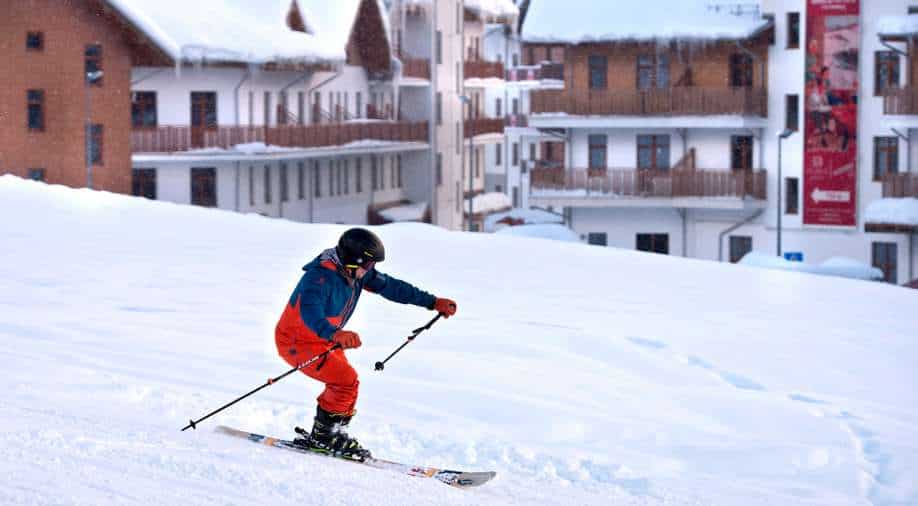
Whistler ski resorts offer a plethora of off-piste activities and amenities that cater not just to skiing enthusiasts but also to those seeking diverse experiences amid stunning mountain scenery. Whether you’re an adrenaline junkie or someone looking to unwind, there’s something for everyone in this winter paradise.
Alternative Activities Available at the Ski Resorts
Beyond skiing and snowboarding, Whistler presents a range of thrilling and relaxing options for all types of visitors. These activities enhance the overall experience, allowing guests to enjoy the mountain landscape in unique ways. Here are some of the most popular alternative activities:
- Snowshoeing: Explore the pristine winter trails on snowshoes, perfect for those who want a quiet stroll amidst the snowy wonderland.
- Cross-Country Skiing: Glide along groomed trails that wind through picturesque forests and stunning landscapes, ideal for fitness enthusiasts.
- Tubing: Experience the fun of tubing at designated areas, where thrill-seekers can slide down slopes in an inflatable tube.
- Winter Ziplining: Feel the rush as you zip through the snow-covered treetops, offering a unique vantage point of the breathtaking terrain.
- Heli-Skiing: For the adventurous, heli-skiing offers access to untracked powder, providing a once-in-a-lifetime experience in the backcountry.
Dining and Nightlife Options
Whistler’s ski resorts are not only about outdoor adventures; they also boast a vibrant culinary scene and nightlife that keeps the energy alive well into the night. There is a variety of dining options ranging from casual eateries to fine dining establishments, each providing a unique taste of the region.
- Fine Dining: Restaurants such as Bearfoot Bistro and Rimrock Cafe offer exquisite menus and a fine dining experience with locally sourced ingredients.
- Casual Eateries: Enjoy quick bites at places like Peaked Pies for savory pies or El Furniture Warehouse for budget-friendly comfort food.
- Bars and Nightclubs: Discover the nightlife at venues like The Longhorn Saloon and Buffalo Bill’s, where live music and dancing await.
- Apres-Ski: Experience the vibrant apres-ski culture at bars like Garfinkel’s, perfect for drinks and socializing after a day on the slopes.
Wellness and Spa Offerings
For visitors looking to relax and rejuvenate after an action-packed day, Whistler offers a range of wellness and spa services. These amenities are designed to provide comfort and tranquility, making the ski resort experience well-rounded.
- Spa Treatments: Indulge in luxurious treatments at spas such as Scandinave Spa, renowned for its outdoor baths and soothing massages.
- Yoga Classes: Participate in yoga sessions that focus on mindfulness and relaxation, often set against the backdrop of stunning mountain views.
- Health and Fitness Centers: Many resorts provide fitness facilities equipped with modern amenities to keep you active during your stay.
- Hot Tubs and Saunas: Unwind in outdoor hot tubs or saunas after a long day on the slopes, offering the perfect relaxation experience.
“Whistler is not just a ski destination; it’s a complete getaway where adventure meets serenity.”
Season and Weather Conditions
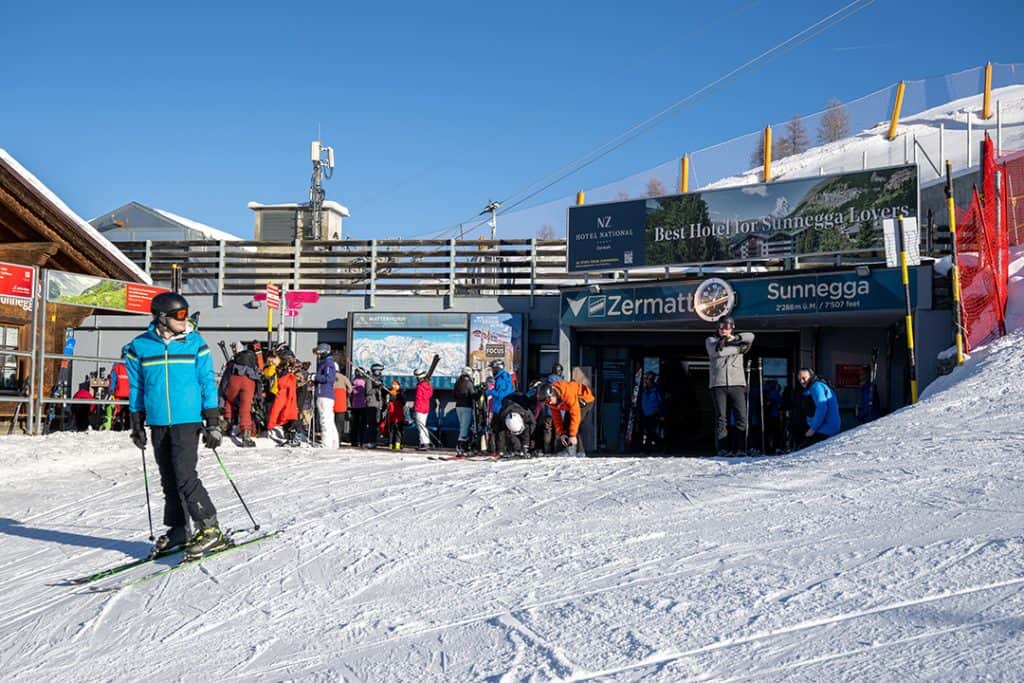
Whistler is renowned for its exceptional ski season, characterized by diverse weather patterns that create an ideal environment for winter sports enthusiasts. The ski season generally spans from late November to early May, providing a broad window for skiing, snowboarding, and other snow-related activities. Understanding the typical weather patterns during this time is essential for planning an unforgettable visit.The winter months in Whistler are marked by chilly temperatures and substantial snowfall, perfect for maintaining a vibrant and extensive snowpack.
Average daytime temperatures during peak winter months can range from -5°C to -10°C (23°F to 14°F), while nighttime temperatures may drop even further. The combination of dry, cold air and moisture from the Pacific Ocean creates a favorable climate for heavy snowfall, especially from December through February. The best times to visit for optimal skiing conditions are typically from late December to early March when Whistler enjoys its highest snowfall and excellent trail conditions.
Snowfall Levels Across Resorts
Analyzing snowfall levels at different ski resorts in Whistler can help visitors understand the best locations for skiing throughout the season. The following table compares average snowfall levels at key resorts during the ski season:
| Resort | November | December | January | February | March | April |
|---|---|---|---|---|---|---|
| Whistler Blackcomb | 40 cm | 200 cm | 250 cm | 220 cm | 150 cm | 60 cm |
| Big White | 30 cm | 180 cm | 230 cm | 210 cm | 120 cm | 50 cm |
| Sun Peaks | 20 cm | 150 cm | 200 cm | 180 cm | 100 cm | 40 cm |
| Cypress Mountain | 25 cm | 170 cm | 220 cm | 190 cm | 110 cm | 30 cm |
The table demonstrates that Whistler Blackcomb consistently receives the highest snowfall, particularly in January, making it a favorable destination for skiers and snowboarders seeking optimal conditions. The variations in snowfall at other resorts highlight the diverse experiences available in the region, accommodating different preferences and skill levels among winter sports enthusiasts.
“Whistler Blackcomb is known for its record-breaking snowfall, providing an excellent base for winter sports and unforgettable skiing experiences.”
Transportation and Accessibility
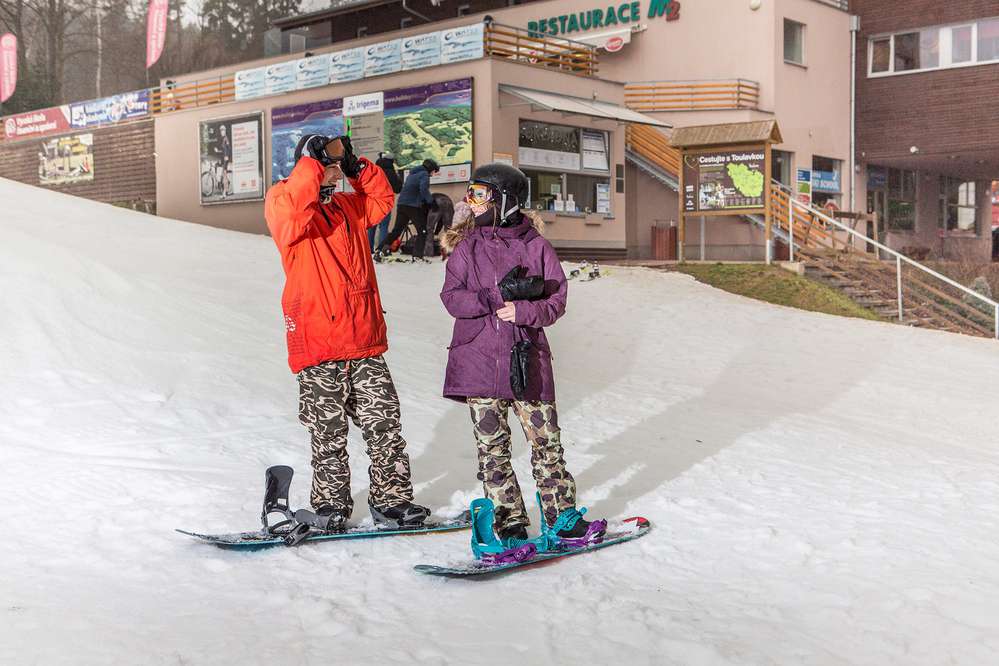
Reaching the stunning ski resorts of Whistler is made simple with various transportation options catering to different needs. Whether you prefer to drive, take a bus, or fly into nearby airports, there are convenient ways to access this winter wonderland, ensuring your journey to the slopes is as enjoyable as the skiing itself.
Transportation Options to Whistler
Visitors have multiple choices for transportation to Whistler ski resorts. From flying into major airports to driving along scenic routes, the options are plentiful. The most common modes of transport include:
- Car Rentals: Renting a car provides flexibility and the chance to explore the area at your own pace. Major rental companies operate from Vancouver International Airport (YVR), making it easy to pick up a vehicle upon arrival.
- Shuttle Services: Numerous shuttle services offer direct transfers from Vancouver and other nearby airports. Companies like Whistler Shuttle and YVR Skylynx provide shared and private options, which can be booked online.
- Public Transit: TransLink operates public buses that connect to Whistler from Vancouver. The scenic route through the Sea-to-Sky Highway makes for a memorable journey.
Public Transit System and Airport Connections, Ski resorts in Whistler
The public transit system provides essential connections to major airports, enhancing accessibility for travelers. The bus route from Vancouver to Whistler is a popular choice due to its affordability and scenic views. Key features include:
- SkyTrain to Waterfront Station: Begin your trip by taking the SkyTrain from the airport to Waterfront Station in downtown Vancouver, where you can transfer to the bus.
- Bus Service: The bus service runs frequently and takes approximately 2 to 2.5 hours to reach Whistler, with multiple stops along the way to enjoy beautiful vistas.
- Cost-Effective Options: Public transit is an economical choice, with prices typically around CAD 45 for a one-way trip, making it accessible for a variety of budgets.
Parking Arrangements at the Resorts
For those who choose to drive to Whistler, convenient parking arrangements are available at the ski resorts. Parking is essential for many visitors who prefer the comfort of their own vehicle. Here’s what you can expect:
- Resort Parking: Each ski resort offers dedicated parking lots, with options for both day-use and overnight parking. Rates and availability may vary by season, so checking in advance is advisable.
- Valet Services: Some upscale resorts provide valet parking, allowing guests to drop off their vehicles at the entrance while they proceed directly to the slopes.
- Parking Fees: Fees for parking at resorts generally range from CAD 10 to CAD 50 per day, depending on the location and peak times, ensuring visitors can find a spot close to the lifts.
“Accessibility to Whistler’s ski resorts enhances the overall experience, letting visitors focus on their adventures rather than logistics.”
Accommodation Options
Whistler offers a variety of accommodation options to suit different preferences and budgets, ensuring that visitors can find the perfect place to unwind after a day on the slopes. From luxurious hotels to cozy lodges and convenient rental properties, there’s something for everyone.When selecting accommodation, it’s important to consider key features like location, amenities, and price. Here’s a breakdown of the main types of accommodations available near the ski resorts in Whistler.
Types of Accommodations
A variety of accommodations cater to different needs and desires, providing unique experiences based on location and amenities. Below is a list of the primary types of accommodations you can find in Whistler:
- Hotels: Full-service amenities, dining options, and often located near the slopes.
- Lodges: Rustic charm with a cozy atmosphere, usually featuring a communal space.
- Rental Properties: Private homes or apartments with varying sizes, ideal for families or groups.
- Hostels: Budget-friendly options with shared accommodations, perfect for solo travelers or younger crowds.
- Bed & Breakfasts: Intimate settings with personalized service and breakfast included.
Comparison of Key Features
Each type of accommodation offers distinct features that can enhance your stay. Here’s a brief comparison of the key amenities and services provided by hotels, lodges, and rental properties:
| Type | Amenities | Location | Best For |
|---|---|---|---|
| Hotel | Room service, pools, spas | Near slopes and village | Luxury seekers |
| Lodge | Common area, kitchen | Scenic locations | Families and groups |
| Rental Property | Full kitchen, privacy | Varied; some close to slopes | Large groups |
Pricing Ranges
Accommodation prices can vary significantly based on the season and type of lodging. Here’s an overview of the average pricing ranges during peak and off-peak seasons:
| Accommodation Type | Peak Season Price Range | Off-Peak Season Price Range |
|---|---|---|
| Hotel | $200 – $600 per night | $150 – $350 per night |
| Lodge | $150 – $400 per night | $100 – $250 per night |
| Rental Property | $250 – $800 per night | $150 – $500 per night |
“Finding the right accommodation can transform your ski trip from ordinary to extraordinary.”
Tips for First-Time Visitors
Visiting Whistler for the first time can be an exhilarating experience filled with adventure and beauty. However, to make the most of your trip, it’s essential to prepare adequately and stay informed about the unique aspects of skiing in this renowned resort. Understanding what to bring and how to prioritize safety will enhance your overall enjoyment.To ensure a smooth and enjoyable experience, here is a helpful checklist of items to bring for your ski trip.
Having the right gear and supplies can make the difference between a great day on the slopes and an uncomfortable one.
Checklist for a Ski Trip
A comprehensive checklist is vital for any ski trip, especially for those new to the sport. Below are key items that should always be included to ensure comfort and safety while skiing in Whistler.
- Skis or Snowboard: Ensure your equipment is appropriate for your skill level.
- Ski Boots: Proper fit is crucial for comfort and control.
- Helmet: Safety should always come first; a helmet is essential.
- Goggles: Protect your eyes from the sun and snow glare.
- Warm Clothing: Layered clothing is ideal, including moisture-wicking base layers, insulating mid-layers, and waterproof outer layers.
- Ski Socks: Avoid cotton; opt for wool or synthetic materials for warmth and comfort.
- Gloves or Mittens: Insulated and waterproof options work best.
- Sun Protection: Sunscreen and lip balm with SPF are essential, as UV exposure increases at higher altitudes.
- Backpack: For carrying snacks, water, and extra layers.
Safety is paramount when skiing, especially for those who are first-timers. Familiarizing yourself with the safety measures and guidelines specific to Whistler will help ensure a pleasant and incident-free experience.
Safety Measures and Guidelines
Skiing can be an exhilarating sport, but it also comes with inherent risks. Understanding and following safety guidelines is crucial for a safe skiing experience in Whistler.
Always ski in control and be aware of your surroundings to avoid accidents.
Skier responsibility codes are established to promote safe skiing practices. Here are essential safety measures that all visitors should adhere to:
- Know Your Limits: Stay within your skill level to prevent accidents and injuries.
- Stay on Marked Trails: Veering off-marked paths can lead to dangerous situations.
- Yield to Others: Always give way to those below you on the slope.
- Use Proper Equipment: Ensure your ski gear is properly maintained and suited to your experience level.
- Check Weather Conditions: Be aware of changing weather patterns that might affect visibility and slope conditions.
- Take Lessons: Consider enrolling in a lesson for professional guidance, especially if you are a beginner.
By following these tips and guidelines, first-time visitors can ensure a safer and more enjoyable experience while skiing in the breathtaking landscapes of Whistler.
Local Culture and Community Engagement
Skiing in Whistler is not just a pastime; it is a vital aspect of the local culture that connects residents and visitors alike to the breathtaking natural environment and fosters a sense of community. The mountains act as a backdrop for shared experiences, and the ski slopes are a canvas upon which the community paints its collective identity. The cultural significance of skiing in Whistler can be observed in the way it shapes the lifestyle, economy, and social fabric of the area.
Skiing is deeply ingrained in the traditions of the local community, often viewed as a rite of passage for many young residents. The enthusiasm for winter sports fosters camaraderie among locals and visitors, reinforcing the communal spirit that defines Whistler.
Winter Sports Festivals and Events
Whistler hosts numerous events and festivals that celebrate winter sports, showcasing both the athletic prowess of participants and the vibrant culture of the region. These events not only provide thrilling entertainment but also unite the community and attract visitors from around the globe. Notable events include:
- Whistler Blackcomb Ski & Snowboard Festival: An annual celebration featuring competitions, music, and cultural performances that draw athletes and spectators to experience the excitement of winter sports.
- World Ski & Snowboard Festival: This festival features a blend of sports, art, and music, showcasing international talent while promoting local culture through various artistic expressions.
- Fire & Ice Show: A weekly event during the winter season that captivates audiences with thrilling displays of fire dancers and skiers performing stunts in an awe-inspiring show of skill and artistry.
Community engagement is encouraged through these events, as they offer opportunities for local businesses, artists, and athletes to shine, fostering pride in the local heritage and promoting tourism.
Engagement Opportunities for Visitors
Visitors to Whistler can immerse themselves in the local culture and engage with the community in meaningful ways. These opportunities enhance the overall experience, allowing guests to form connections with the region and its people. Engaging with the community can take many forms, including:
- Participating in Local Workshops: Visitors can join workshops that showcase traditional crafts, culinary classes featuring local cuisine, or guided nature tours that highlight the area’s natural beauty and ecology.
- Volunteering at Local Events: Many events welcome the help of enthusiastic visitors, providing a chance to meet locals and gain insight into the community while contributing to the success of the event.
- Visiting Community Markets: Local farmers’ markets and artisan fairs allow visitors to taste local produce, purchase handmade goods, and interact with vendors passionate about their craft.
Each interaction not only enriches the visitor’s experience but also deepens the community’s connection with those who come to appreciate the splendor of Whistler.
Environmental Considerations: Ski Resorts In Whistler
Whistler ski resorts have increasingly recognized their responsibility towards the environment, integrating sustainability into their operations. With the breathtaking natural landscapes surrounding them, these resorts not only aim to provide exceptional skiing experiences but also to preserve the ecosystems that make their existence possible. Sustainable practices are becoming a crucial part of the resort management, aiming to mitigate the impact of the skiing industry on the environment.Climate change poses a significant threat to the skiing industry, affecting snowfall patterns and resort operations.
Warmer temperatures lead to reduced snow cover, which can shorten the skiing season and impact the economic viability of ski resorts. To combat these challenges, Whistler ski resorts are adopting various proactive strategies to lessen their carbon footprint and adapt to changing environmental conditions.
Sustainability Practices at Whistler Ski Resorts
A variety of sustainability initiatives are being implemented by ski resorts in Whistler, focused on reducing energy consumption, conserving water, and minimizing waste. These practices are vital for ensuring the long-term viability of the region’s skiing industry:
- Renewable Energy Sources: Many resorts are transitioning to renewable energy sources, such as solar and wind power, to reduce greenhouse gas emissions.
- Water Conservation: Efficient snow-making technologies help to conserve water, ensuring that resorts can maintain quality slopes with minimal environmental impact.
- Waste Reduction Programs: Resorts have launched recycling and composting programs to minimize waste sent to landfills, promoting a circular economy.
- Wildlife Protection: Efforts to protect local wildlife habitats are integral, with programs that monitor and preserve natural ecosystems around the ski areas.
- Community Engagement: Initiatives that involve local communities in conservation efforts help foster a culture of environmental stewardship.
Impact of Climate Change on the Skiing Industry
The skiing industry in Whistler is directly affected by climate change, which has led to noticeable changes in weather patterns. These changes result in less predictable snowfall and earlier thawing periods. The ski resorts are facing the challenge of maintaining a viable operating season, which not only affects local businesses but also the overall tourism economy.
“Climate change has already started to reshape the winter sports landscape, requiring adaptive strategies to ensure sustainability.”
Preservation Initiatives for Natural Landscapes
To protect the stunning natural landscapes that attract visitors, Whistler ski resorts are implementing various preservation initiatives. These focus on maintaining the integrity and beauty of the surrounding environment:
- Trail Restoration: Efforts are made to restore and maintain trails to reduce erosion and promote biodiversity in surrounding areas.
- Environmental Education Programs: Resorts offer educational programs for guests and staff to raise awareness about local ecosystems and conservation practices.
- Partnerships with Environmental Organizations: Collaborations with non-profit organizations enhance conservation efforts and support habitat protection projects.
- Carbon Offsetting: Many resorts participate in carbon offset programs that invest in reforestation and renewable energy projects to balance their carbon emissions.
Essential FAQs
What is the best time to visit Whistler for skiing?
The best time to visit for optimal skiing conditions is typically from late December to early March, when snowfall is at its peak.
Are there ski schools for beginners in Whistler?
Yes, Whistler offers several ski schools with programs tailored specifically for beginners, ensuring a safe and fun learning experience.
What types of accommodations are available near the ski resorts?
Visitors can choose from a range of accommodations, including hotels, lodges, and vacation rentals, catering to various budgets and preferences.
Is public transportation available to get around Whistler?
Yes, Whistler has a reliable public transportation system that connects visitors to the village and ski resorts, making it convenient to get around.
What alternative activities are there besides skiing?
Whistler offers a variety of off-piste activities such as snowshoeing, ice skating, and spa services, ensuring plenty of options for relaxation and fun.
